
Mold Inspection
A visual assessment of accessible areas helps locate visible growth, moisture damage, and conditions that may require further investigation.
Serving Miami, Florida & surrounding areas
Mon–Fri 8am–6pm · Sat 9am–2pm
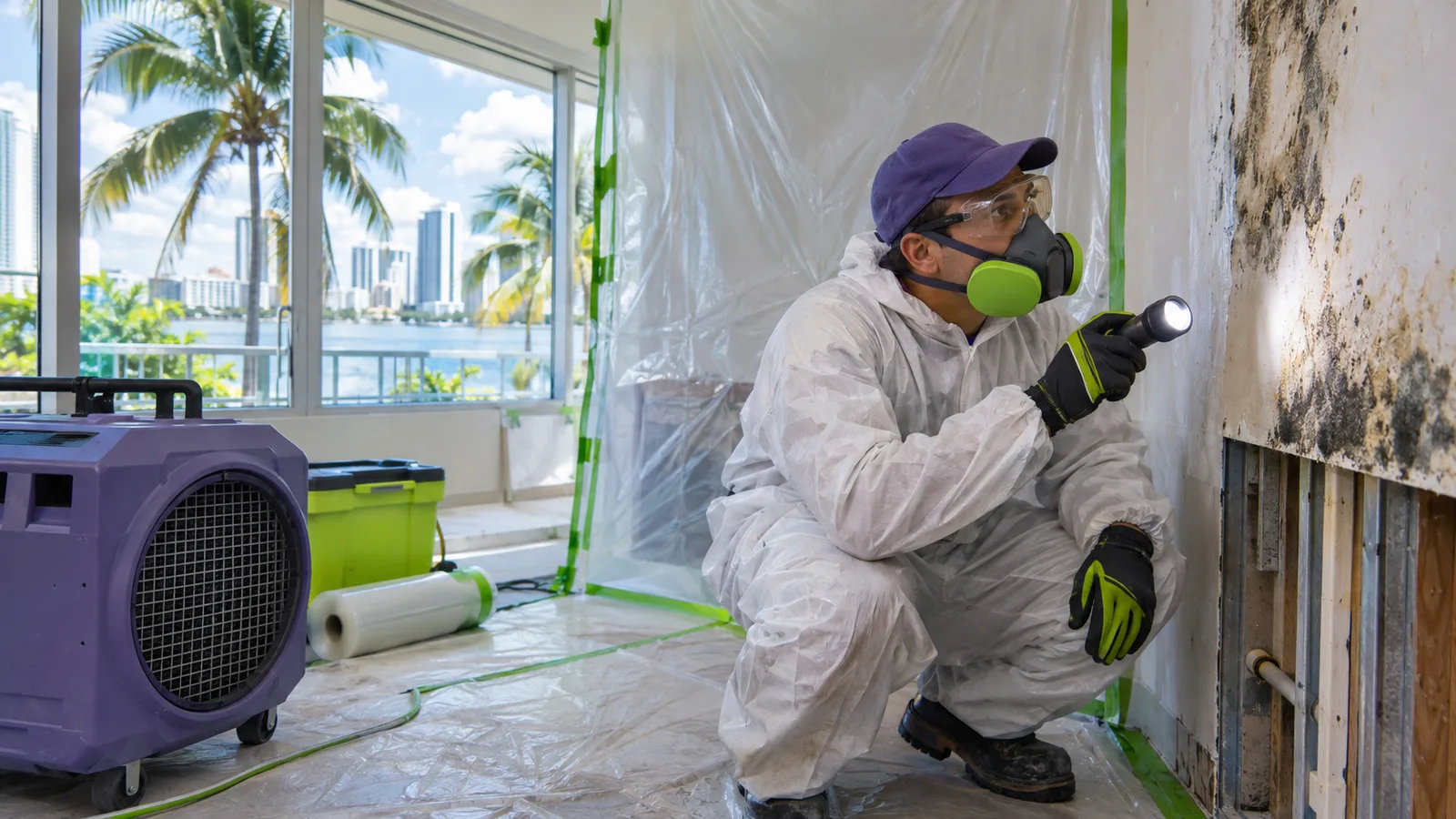
Mold abatement services in Miami, Florida
Get a clear scope for containing affected areas, removing contaminated material, cleaning the space, and correcting the moisture conditions that allowed growth.
A practical, property-specific scope
Mold abatement in Miami requires more than wiping visible growth from a wall. A sound plan identifies the affected materials, limits the spread of airborne particles, removes material that cannot be cleaned, and addresses the water source behind the problem.
Miami's humidity, heavy rain, roof leaks, plumbing failures, and air conditioning condensation can keep building materials damp. Drywall, insulation, wood, carpet backing, and cabinetry may be affected beyond the visible surface. The right scope depends on where moisture traveled and how long materials remained wet.
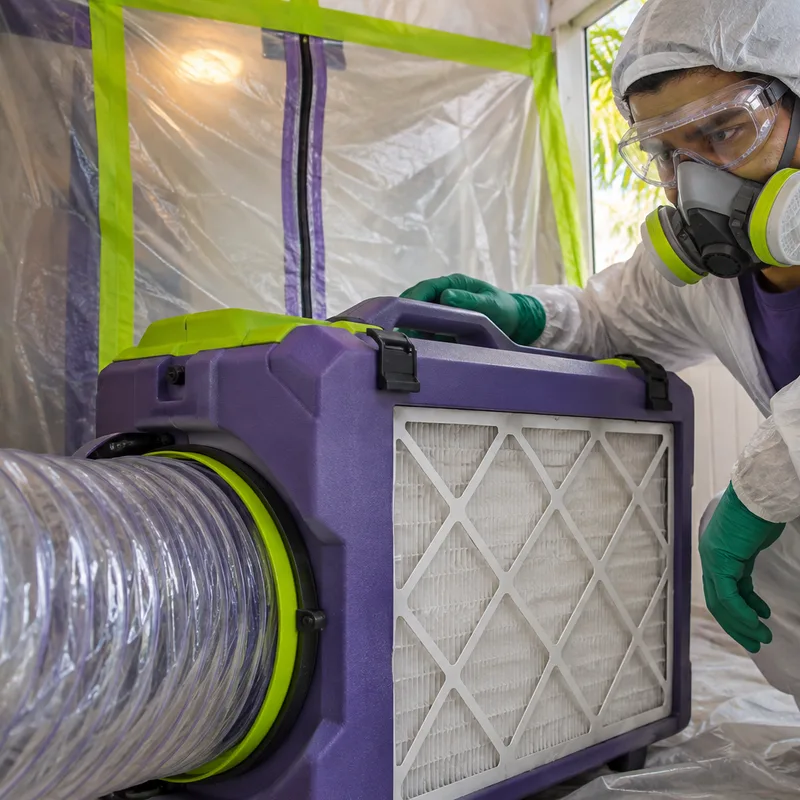
Mold Abatement Miami approaches each property according to its actual conditions. The work may involve isolating the area with containment, using negative air pressure and HEPA filtration, removing porous materials, HEPA vacuuming, cleaning remaining surfaces, and drying the space. The goal is a clean, dry area that is ready for the next appropriate step.
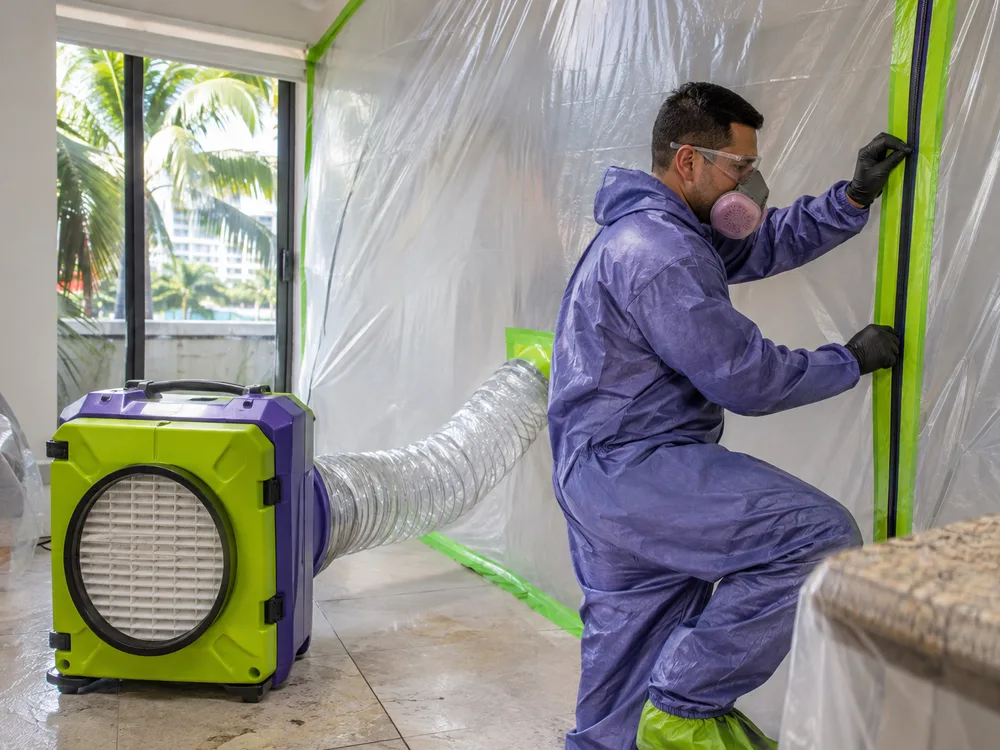
Inspection through remediation
Choose the service that best matches what is known about the property, from initial assessment and testing to controlled removal.
A visual assessment of accessible areas helps locate visible growth, moisture damage, and conditions that may require further investigation.
Air or surface samples can provide laboratory information when testing is appropriate for the property, transaction, or planned work.
Containment, controlled material removal, detailed cleaning, and moisture correction are coordinated around the affected area and its condition.
Visible growth and contaminated materials are addressed using methods suited to porous and nonporous surfaces within the work area.
Get knowledgeable help reviewing moisture damage, affected materials, containment needs, and the practical next steps for the property.
Testing for Miami Beach properties provides sampling and laboratory results for concerns involving indoor air, surfaces, and moisture-affected rooms.
Scope, control, and completion
The scope should identify affected rooms and materials before removal begins. Clear boundaries help determine where containment belongs and prevent unnecessary disturbance in parts of the property that are not involved.
Plastic barriers, sealed openings, negative air pressure, and HEPA-filtered equipment can limit particle movement while contaminated drywall, insulation, carpet, or other porous material is disturbed and removed.
Porous materials with established growth often require removal, while sound nonporous surfaces may be cleaned. The method depends on the material, its condition, and the extent of contamination.
Abatement does not correct an active roof leak, plumbing failure, or air conditioning drainage issue by itself. The source must be identified and repaired so cleaned materials can remain dry.
HEPA vacuuming and surface cleaning address settled dust and residue after removal. The work area must also be dry before containment is taken down or reconstruction begins.
Mold Abatement Miami provides mold abatement for residential and commercial properties in Miami, Florida.
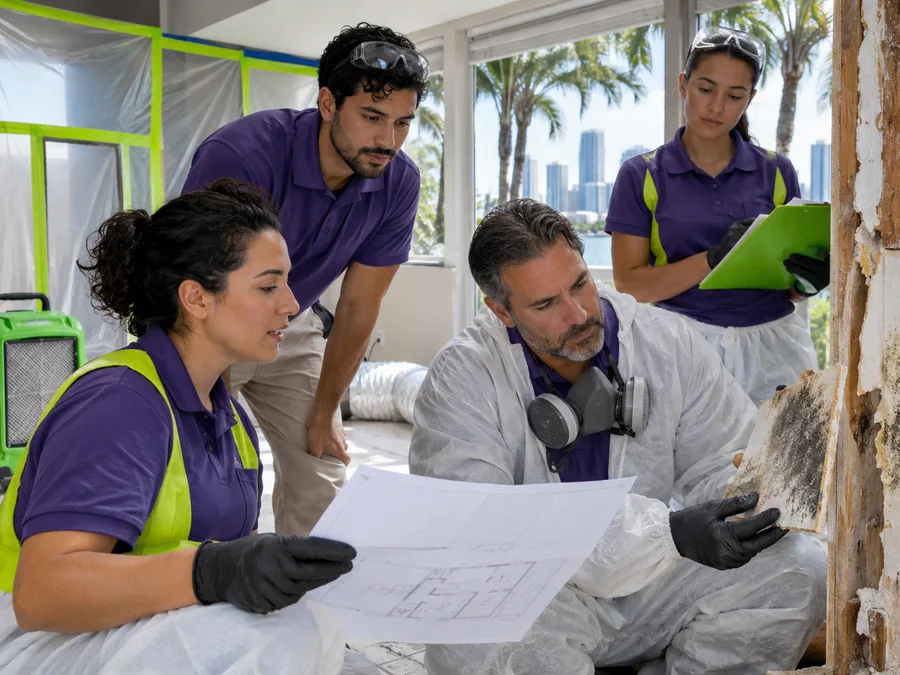
Property-specific planning
The company focuses on the conditions found at each property rather than treating every job alike. Building materials, moisture paths, accessibility, heating and cooling equipment, and occupied areas all affect how work should be planned.
Customers receive a practical explanation of the affected area, the materials likely to need removal or cleaning, and the moisture issue that must be corrected. This gives owners, tenants, property managers, and contractors a clearer basis for planning abatement and the work that follows.
Cost variables
Mold abatement in Miami typically costs about $1,500 to $6,000 for a contained residential project. A small, accessible area may cost roughly $500 to $1,500, while extensive work involving several rooms, wall cavities, HVAC concerns, or major material removal can exceed $6,000.
Final pricing changes with the affected area, material types, containment needs, access, demolition, disposal, drying, and whether an active leak requires separate repair. Inspection, testing, reconstruction, and clearance verification may be priced separately. The exact cost is confirmed after the affected conditions are inspected and the work scope is established.
Assessment to final review
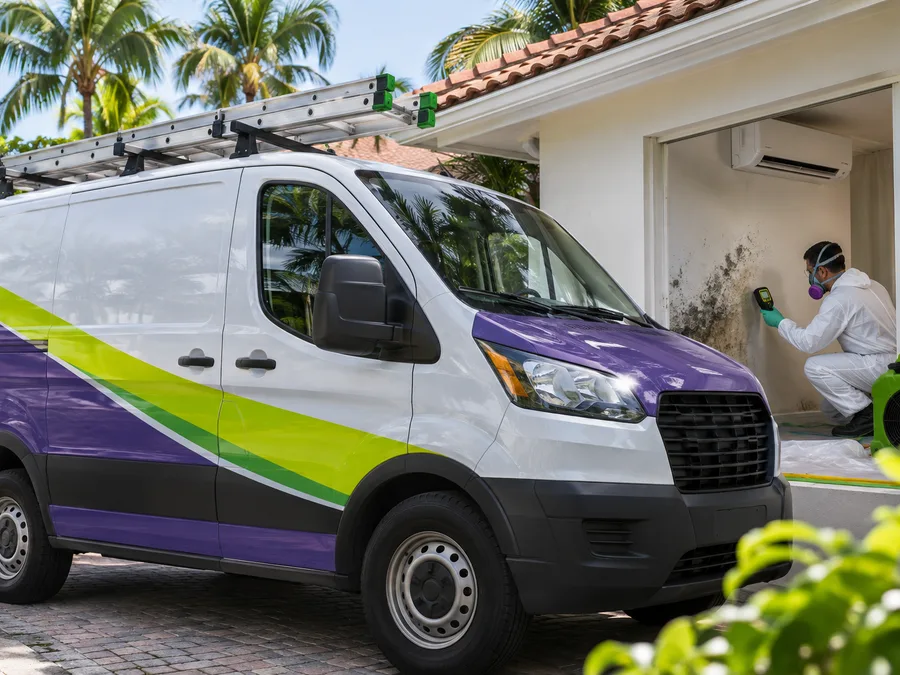
The process starts by reviewing visible growth, moisture damage, affected materials, access, occupied areas, and likely water sources. Existing inspection or laboratory information can also help shape the scope.
The work area is planned and contained as needed. Openings may be sealed, furnishings protected, and HEPA-filtered negative air equipment positioned before contaminated material is disturbed.
Materials that cannot be adequately cleaned are removed using controlled methods. Remaining surfaces are cleaned according to their material and condition, with HEPA vacuuming used to collect fine settled particles.
The area is dried, cleaned, and reviewed before containment is removed. When independent post-remediation verification is part of the project, it should be completed before reconstruction covers the treated area.
Addressing the moisture source and setting the right containment scope early can prevent unnecessary demolition and repeated cleanup.
Book Your Free InspectionLocal property context
Mold Abatement Miami works throughout Miami communities where heavy rain, persistent humidity, plumbing leaks, and air conditioning condensation can leave building materials damp.
Older homes, tile roofs, mature tree cover, and additions can create concealed leak paths around roof penetrations, windows, and joined building sections.
Historic homes, dense vegetation, and low-lying sections make careful checks of crawl spaces, roof leaks, wall cavities, and indoor humidity especially relevant.
High-rise condominiums require close attention to shared walls, plumbing stacks, fan-coil units, condensation lines, and building rules that affect containment and material removal.
Older housing and multifamily buildings may have aging plumbing, patched roofs, and layered finishes that conceal moisture damage behind walls, cabinets, or ceilings.
Mid-century houses and older apartment buildings can develop moisture problems around flat roofs, aging windows, plumbing lines, and additions built with different materials.
Condominiums and commercial spaces often require compact containment plans that account for elevators, common corridors, neighboring units, and active building operations.
Containment and moisture assessment
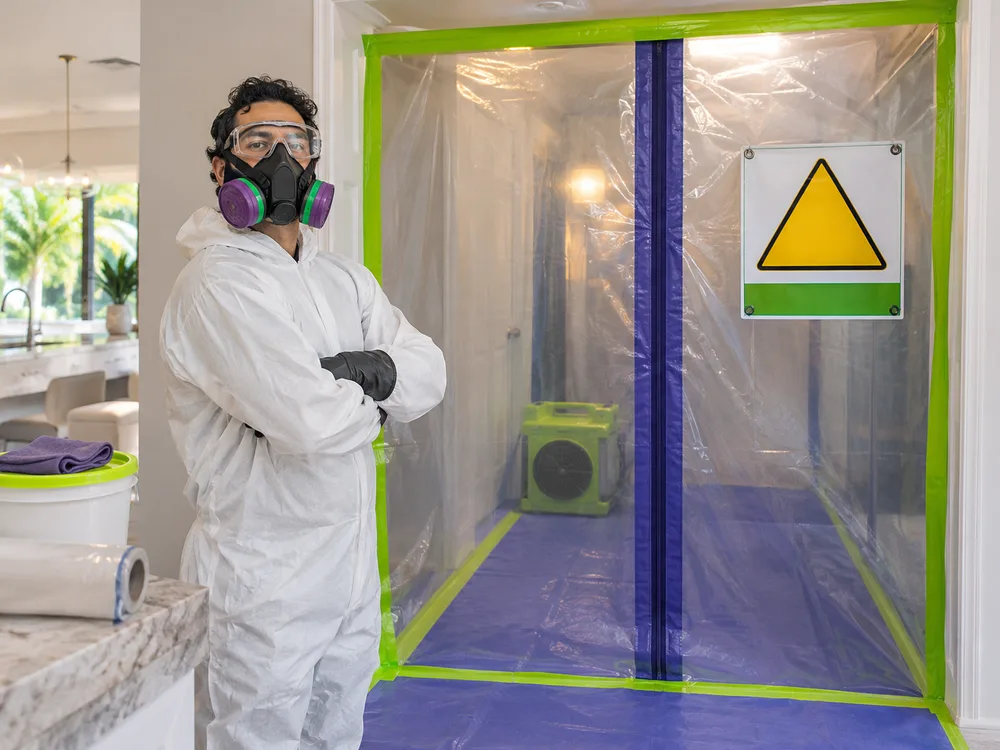
Homeowner questions
Scheduling depends on the property's condition, access, and the size of the work area. Active water intrusion should be stopped promptly, and wet materials should be assessed before additional moisture spreads through walls, flooring, or cabinetry.
Testing is not required for every visibly affected area. It may be useful when the source is uncertain, growth is not visible, documentation is needed, occupants have specific concerns, or an independent protocol or clearance assessment is requested.
Occupancy depends on the abatement location, project extent, containment layout, and the needs of people in the property. A small isolated area may allow partial occupancy, while broader work can require temporary relocation.
Leak repair is separate unless it is specifically included in the written scope. Roof defects, plumbing failures, exterior intrusion, and air conditioning drainage problems need appropriate repair so the treated area can dry and remain dry.
Photos, inspection findings, laboratory reports, leak history, affected room locations, and notes about recent repairs are useful. Access to both sides of a wall or the area above a ceiling can also clarify how far moisture traveled.
Yes, Mold Abatement Miami works with residential and commercial properties in Miami. Condominium and commercial projects may require coordination for building access, elevators, common areas, work hours, and containment routes.
Plan the right next step
Describe the affected area, moisture history, and any inspection findings. Mold Abatement Miami can help establish the next practical step for your Miami property.