Storm and Roof Intrusion
Wind-driven rain and roof leaks can wet ceilings, insulation, and wall cavities. Materials should be evaluated beyond the visible stain because moisture can travel along framing.
Serving Miami, Florida & surrounding areas
Mon–Fri 8am–6pm · Sat 9am–2pm
Mold remediation services in Miami, Florida
Careful inspection, contained removal, detailed cleaning, and a practical plan for restoring a healthier indoor environment.
Source control before cleanup
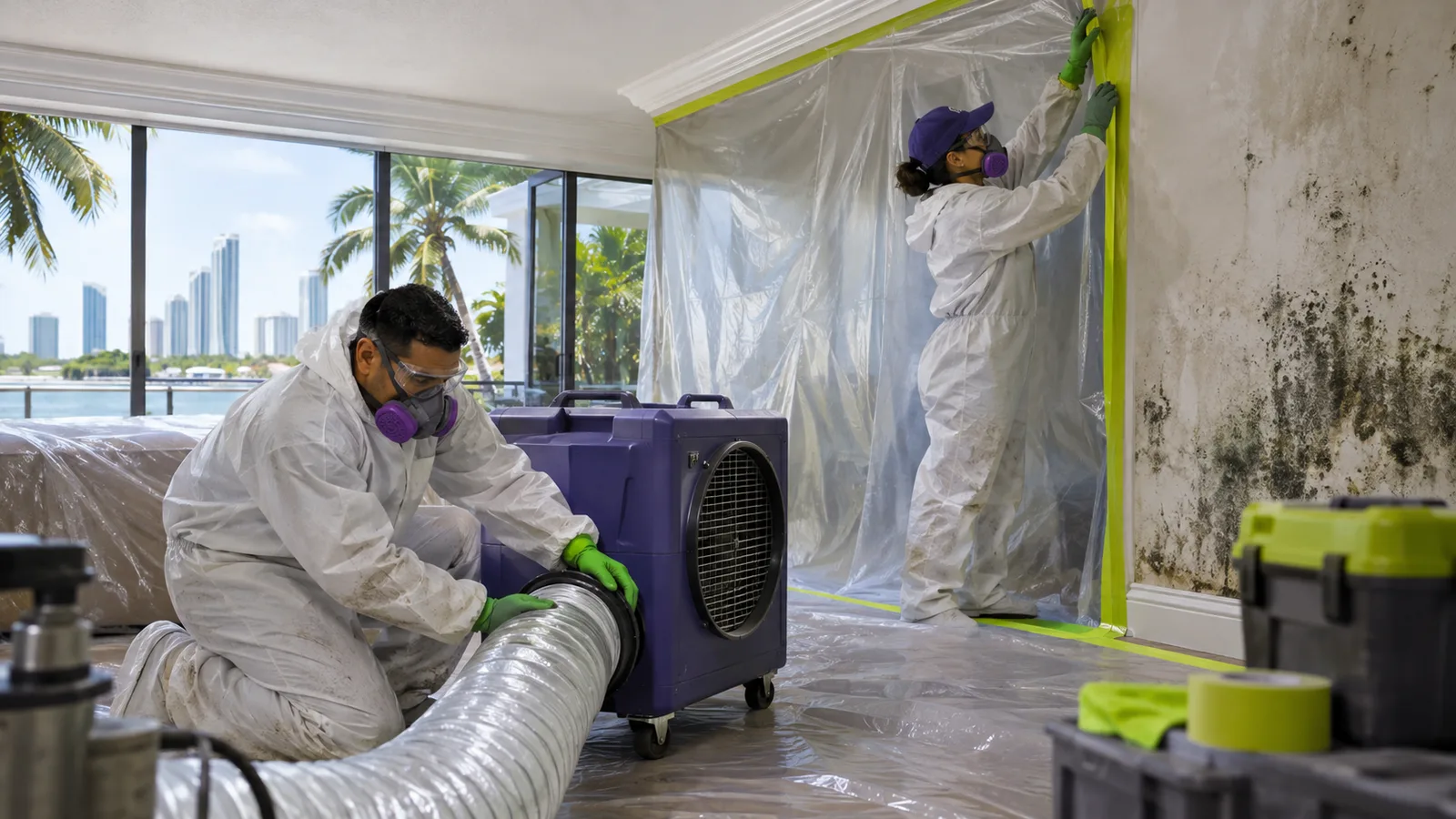
Effective mold remediation in Miami starts by finding where moisture entered, identifying affected materials, and defining the boundaries of the work. Mold Abatement Miami approaches each property as a professional mold abatement company in Miami, FL should: with a written scope, controlled work practices, and clear communication about what can be cleaned and what must be removed.
South Florida's warm, humid climate puts added pressure on air-conditioning systems, plumbing, roofs, windows, and building envelopes. A roof leak after heavy rain, condensation around an air handler, or a slow pipe leak inside a wall can keep materials damp long enough for mold to develop. Cleanup without moisture correction leaves the underlying condition unresolved.
The work may involve drywall, insulation, wood framing, cabinetry, carpet backing, or HVAC-adjacent areas. Because porous and nonporous materials respond differently, the treatment plan must match the material and the extent of contamination. The goal is controlled removal and cleaning, not covering stains with paint or applying fragrance.
Assessment, containment, and cleaning
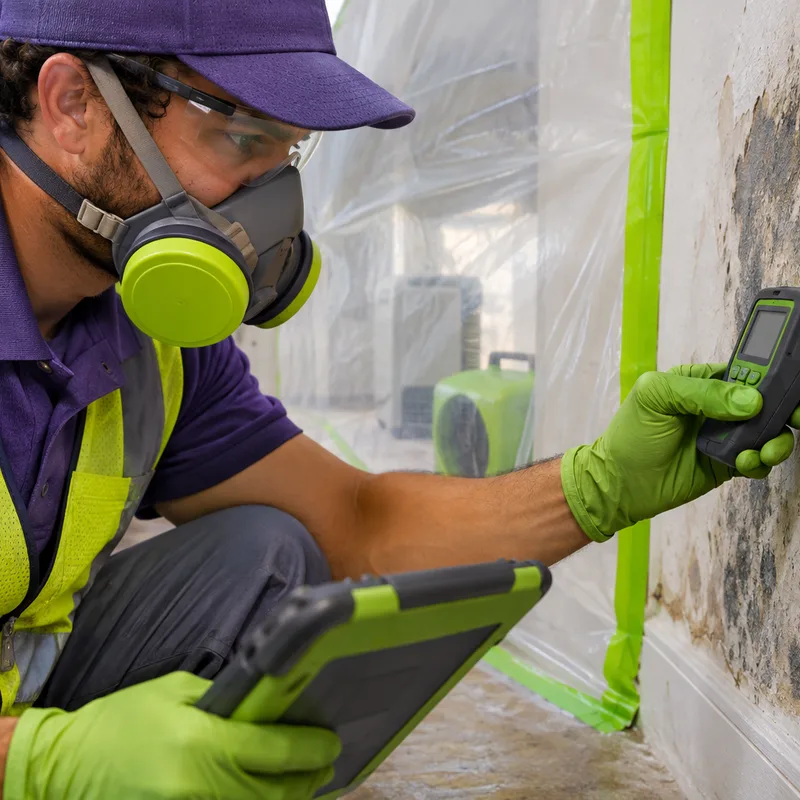
The first task is to understand the affected area. A visual inspection looks for staining, damaged finishes, condensation, musty odors, and likely moisture pathways. Moisture meters and thermal imaging may help locate damp materials, but thermal images do not identify mold by themselves. When sampling is appropriate, an independent assessor can collect air or surface samples and prepare a protocol.
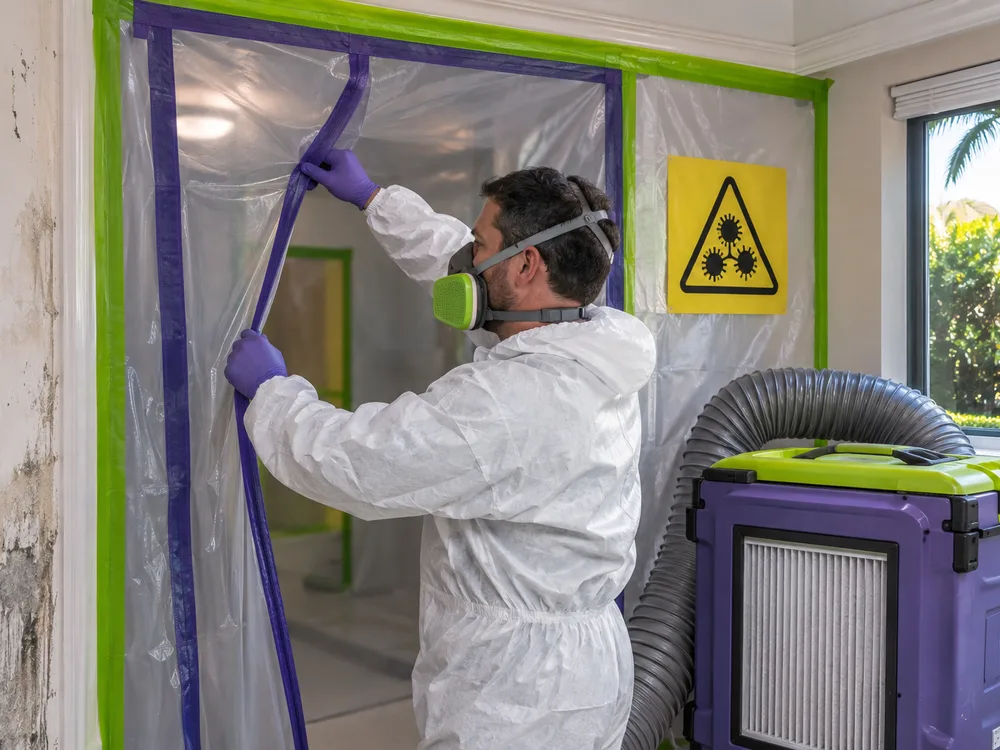
Before disturbing affected materials, technicians isolate the work zone with polyethylene sheeting and controlled entry points. Negative air pressure and HEPA-filtered air scrubbers help keep particles from moving into occupied rooms. Supply and return openings within the containment area may need protection during active removal.
Damaged porous materials are removed according to the scope. Remaining structural surfaces are HEPA vacuumed and damp wiped with suitable cleaning products. Abrasive cleaning may be considered for certain unfinished wood surfaces when the condition and protocol support it. The work area is then cleaned again before containment is removed. Any rebuild follows only after the remediation phase and required clearance steps are complete.
South Florida property conditions
Wind-driven rain and roof leaks can wet ceilings, insulation, and wall cavities. Materials should be evaluated beyond the visible stain because moisture can travel along framing.
Condensate line problems, drain-pan overflow, and sweating ducts can affect closets, ceilings, and air-handler areas. The mechanical moisture source must be corrected as part of the overall plan.
Slow leaks beneath sinks or behind walls may affect cabinet bases, drywall, and flooring before visible damage appears. Access and material layers determine the removal scope.
High-rise and multifamily properties may require coordination for elevator access, work hours, debris routes, building management rules, and protection of shared corridors.
Coral Gables includes older homes where plaster assemblies and prior repairs can complicate access, while newer towers in Brickell may involve compact mechanical spaces and association procedures.
Properties in Miami Beach and Coconut Grove can face wind-driven rain and humid outdoor air. Drying and humidity control must account for conditions outside the building as well as the indoor source.
From inspection to restoration readiness
Each stage protects occupied areas, addresses affected materials, and prepares the property for appropriate verification and repair.
Book Your Free InspectionWe review visible damage, moisture readings, affected materials, access limitations, and any assessment protocol. The scope identifies the work zone and planned material removal.
Remediation cannot solve an active leak. Plumbing, roofing, drainage, or air-conditioning defects need correction before final drying and restoration.
Technicians prepare containment, establish controlled access, protect nearby finishes, and position HEPA-filtered equipment. The setup is adjusted to the property's layout.
Affected materials are handled according to their porosity and condition. Debris is bagged within the controlled area, and retained surfaces receive detailed HEPA vacuuming and cleaning.
Moisture readings help confirm that retained materials are dry. When a protocol calls for post-remediation verification, an independent assessor evaluates the completed work before reconstruction.
After clearance requirements are satisfied, removed drywall, insulation, trim, flooring, or cabinetry can be replaced under a separate restoration scope.
Defined roles and documented scope
Florida regulates mold assessment and mold remediation under state law. In general, a licensed mold assessor evaluates and writes the protocol, while a licensed mold remediator performs the cleanup. The roles are intended to remain separate on regulated projects, subject to statutory exemptions. Property owners can verify professional licenses through the Florida Department of Business and Professional Regulation.
A strong proposal should state the affected rooms, containment boundaries, materials to be removed, surfaces to be cleaned, equipment planned, and assumptions about access. It should also identify work that is excluded, such as plumbing repair, roof repair, HVAC service, reconstruction, or independent testing. This prevents a cleanup estimate from being mistaken for a complete repair price.
For occupied properties, logistics matter. We consider pets, children, residents with respiratory concerns, access routes, and whether occupants can remain outside the controlled work area. In a Downtown Miami tower or a Brickell condominium, association approvals and debris handling rules may affect scheduling. In a detached Coral Gables or Coconut Grove home, attic access and concealed wall cavities may have a greater effect on the scope.
Project pricing
Mold remediation in Miami typically costs about $1,500 to $6,000 for a contained project, while extensive work involving several rooms or concealed cavities may exceed $10,000. Small, accessible areas may cost less, subject to applicable Florida licensing exemptions and minimum service charges.
Final pricing changes with containment size, material removal, access, equipment time, occupancy, debris handling, and independent assessment or clearance testing. Leak repair and reconstruction are usually separate. The exact cost is confirmed after an inspection and written scope.
Addressing the moisture source and defining the removal scope early can prevent unnecessary demolition. Tell us what happened, where damage is visible, and whether an assessment protocol is already available.
Book Your Free InspectionHomeowner questions
A contained residential project often takes several workdays, but drying, independent clearance, and reconstruction can extend the overall schedule. The affected square footage, number of rooms, material layers, access, and active moisture source all matter. Condominium elevator reservations and building work-hour rules can also affect timing in Miami.
Testing is not automatically necessary when visible mold and the moisture source are clear, but Florida licensing rules and the project's size may make an independent assessment or protocol appropriate. Testing can also help when contamination is suspected inside a concealed cavity or when post-remediation verification is required. A licensed assessor should determine the sampling plan rather than relying on a consumer test kit.
You may be able to remain in an unaffected part of the property, but the decision depends on containment, access, the extent of removal, and the occupants' health needs. Residents should not enter controlled work areas. Families with asthma, severe allergies, immune concerns, children, or pets should discuss occupancy with their medical professional and the project team before work starts.
Bleach is not a substitute for proper material removal and detailed cleaning. Mold-affected drywall and insulation often require removal because they are porous. Some structurally sound wood can be retained and cleaned when the protocol allows it, using methods suited to the surface and followed by HEPA vacuuming.
Leak repair and reconstruction are commonly separate from the remediation scope. A plumber, roofer, or HVAC contractor may need to stop the moisture source, and reconstruction may begin after cleaning, drying, and any required clearance. Your proposal should identify each excluded task so you can plan the full project.
Coverage depends on the policy language and the cause of the water damage. A sudden covered plumbing loss may be treated differently from long-term seepage, deferred maintenance, flooding, or humidity. Florida policies can contain mold limits and exclusions, so notify the insurer promptly, preserve photos and reports, and request a written coverage decision.
Successful remediation means the specified materials were removed or cleaned, retained materials are dry, and the work area meets the protocol's completion criteria. When post-remediation verification is included, an independent licensed assessor performs the visual review and any specified sampling. A clean smell or fresh coat of paint is not adequate proof.
Plan the right next step
Share the affected rooms, the suspected water source, and any inspection documents. Mold Abatement Miami will review the situation and outline the next practical step.